
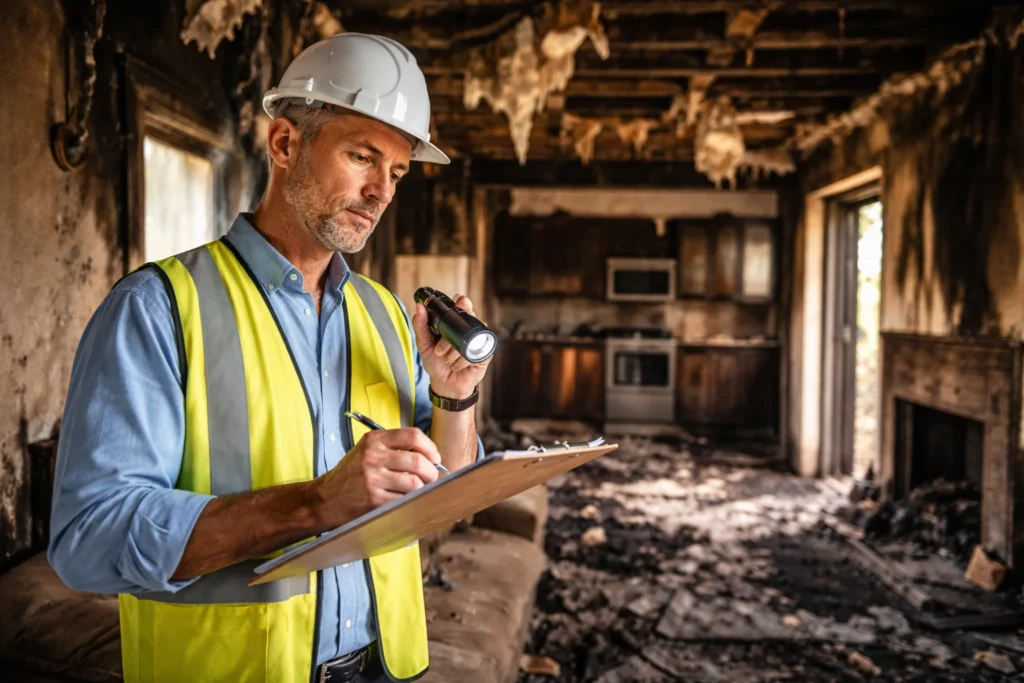
A house fire changes everything in an instant. One moment you’re living your routine. The next, you’re dealing with smoke damage, structural loss, and a flood of decisions you didn’t ask for. In the middle of all that chaos, one role becomes incredibly important: the fire insurance adjuster.
This is the person responsible for evaluating your loss and determining how much you’ll be paid. That’s a big deal. Because the difference between a rushed estimate and a carefully prepared claim can mean thousands sometimes tens of thousands of dollars. If you’re in Grapevine or the surrounding area, understanding how this process works isn’t optional. It’s essential. Let’s break it down clearly, step by step, so you know exactly what you’re dealing with and how to protect yourself.
What Is a Fire Insurance Adjuster?
A fire insurance adjuster is a professional who evaluates fire-related damage and calculates the value of your insurance claim. Sounds simple. It’s not. There are three main types of adjusters, and who you’re dealing with matters more than most people realize.
- Insurance Company Adjuster
Works directly for your insurance provider. Their goal is to protect the company’s bottom line. - Independent Adjuster
Hired by insurance companies on a contract basis. Still represents the insurer, not you. - Public Adjuster
Works exclusively for you the policyholder. Their job is to maximize your claim payout.
That distinction alone can shape the entire outcome of your claim.
What Does a Fire Insurance Adjuster Do?
Let’s get specific. A skilled fire insurance adjuster does far more than walk through your property with a clipboard.
They:
- Inspect the full extent of fire, smoke, and water damage
- Document every affected area in detail
- Review your insurance policy line by line
- Build a comprehensive estimate of repairs and replacements
- Prepare claim documentation that meets insurer standards
- Negotiate directly with the insurance company
And here’s the key point accuracy matters. A missed detail isn’t just an oversight. It’s money left on the table.
How the Fire Insurance Claims Process Works
If you’ve never filed a fire claim before, the process can feel overwhelming. Let’s simplify it.
| Step | What Happens | Where Problems Occur |
| File Claim | You notify your insurer | Delays or incomplete info |
| Inspection | Adjuster assesses damage | Surface-level evaluations |
| Documentation | Losses are recorded | Missing items or undervaluation |
| Estimate | Repair/replacement costs calculated | Low estimates |
| Negotiation | Back-and-forth with insurer | Pushback on payouts |
| Settlement | Final payment issued | Underpayment or disputes |
At each stage, there’s room for error. Or worse undervaluation. That’s why having someone on your side who understands the process isn’t just helpful. It’s critical.
Why Hiring a Fire Insurance Adjuster Matters
Here’s the truth most people learn too late: insurance companies are not built to pay you the maximum possible amount. They’re built to pay what they must. A public fire insurance adjuster changes that dynamic.
Key benefits include:
- Higher settlements – Detailed claims often result in significantly larger payouts
- Less stress – You don’t have to argue, chase, or interpret policy language
- Stronger documentation – Every item and damage point is accounted for
- Faster resolution – Clear, organized claims reduce back-and-forth
I’ve seen cases where homeowners accepted initial offers… only to discover later they left serious money behind. Once you settle, it’s usually final. No second chances.
Signs You Need a Fire Insurance Adjuster
Not every situation is straightforward. In fact, most aren’t.
You should strongly consider hiring a fire insurance adjuster if:
- The damage is extensive or complex
- Your claim has been delayed or denied
- The insurance offer feels low
- You don’t fully understand your policy
- You’re managing a commercial property loss
- You simply don’t have time to handle it properly
Even smaller claims can benefit from professional review. Because small mistakes add up quickly.
Fire Damage: What Needs to Be Evaluated
Fire damage isn’t just what you can see. It’s layered. And if it’s not properly documented, it won’t be fully paid.
Here’s what a thorough assessment includes:
1. Structural Damage
- Framing, roofing, drywall, foundation impacts
2. Smoke and Soot Damage
- Walls, ceilings, insulation, and air quality issues
3. Water Damage
- From firefighting efforts often extensive and hidden
4. Personal Property Loss
- Furniture, electronics, clothing, valuables
5. Hidden Systems Damage
- HVAC systems
- Electrical wiring
- Plumbing components
A qualified fire insurance adjuster knows where to look. And just as importantly, what not to overlook.
Common Mistakes to Avoid After a Fire
Let’s keep this simple. These mistakes cost money. Real money.
- Accepting the first offer too quickly
- Failing to document everything thoroughly
- Discarding damaged items before inspection
- Misunderstanding policy limits and exclusions
- Waiting too long to act
One mistake is manageable. Multiple mistakes? That’s when claims fall apart.
How to Choose the Right Fire Insurance Adjuster
Not all adjusters are equal. Experience matters. So does integrity.
Here’s what to look for:
- Proper licensing in Texas
- Proven experience with fire claims
- Strong local knowledge (Grapevine area is a plus)
- Transparent contingency-based fees
- Clear communication style
Ask direct questions. You should feel confident not confused after every conversation.
What to Expect When Working with Grapevine Public Adjuster
Working with a local team like Grapevine Public Adjuster gives you a real advantage.
Here’s how the process typically looks:
- Initial consultation and damage review
- Full documentation of property and contents
- Policy analysis and claim strategy development
- Direct negotiation with the insurance company
- Ongoing updates and guidance
You’re not left guessing. You’re guided through each step with clarity and purpose.
Fire Insurance Adjuster vs Contractor: What’s the Difference?
This is where many people get tripped up.
| Role | Primary Focus | Who They Represent |
| Fire Insurance Adjuster | Claim valuation and negotiation | You (if public adjuster) |
| Contractor | Repair and rebuilding | Project execution |
A contractor might give you a repair estimate. That’s helpful. But it’s not the same as building a complete insurance claim. You need both but for different reasons.
Tips to Maximize Your Fire Insurance Claim
Let’s get practical. These steps make a measurable difference.
- Document everything immediately
Take photos, videos, and written notes before cleanup begins - Keep receipts for all expenses
Temporary housing, food, clothing track it all - Understand your coverage
Know your limits for structure, contents, and additional living expenses - Stay organized
Create a simple system for documents and communication - Bring in a professional early
The sooner a fire insurance adjuster is involved, the better your claim is built
Consistency wins here. Organized claims get better results.
A Quick Note on Perception and Detail
Interestingly, when people review fire damage especially smoke patterns and soot marks they sometimes misinterpret what they’re seeing. The human brain naturally looks for patterns, even when they aren’t meaningful. This phenomenon is known as Pareidolia, and it can influence how damage is perceived during early inspections. That’s exactly why professional documentation matters. A trained fire insurance adjuster doesn’t rely on assumptions they rely on measurable, verifiable damage assessment.
Conclusion
Fires are unpredictable. The recovery process doesn’t have to be. A skilled fire insurance adjuster brings structure, clarity, and strategy to a situation that can easily spiral into confusion and frustration. They don’t just evaluate damage they protect your financial recovery.
If you’re dealing with a fire loss in Grapevine, the most important step you can take is getting the right help early. Because once the claim is settled, the opportunity to improve it is gone. Make informed decisions. Ask the right questions. And don’t settle for less than what your policy truly allows. That’s how you turn a difficult situation into a controlled, strategic recovery.
FAQs
A fire insurance adjuster evaluates property damage, reviews your policy, and determines how much your insurance company should pay for your claim.
A public adjuster works for you, while an insurance company adjuster represents the insurer’s interests.
You should consider hiring one as soon as possible after a fire, especially if the damage is significant or the claim process feels overwhelming.
Yes, a skilled fire insurance adjuster can often secure a higher settlement by thoroughly documenting losses and negotiating effectively.
Most public adjusters work on a contingency fee, meaning they receive a percentage of the final settlement amount.
Yes, but it can be complex and time-consuming, and you may risk missing damages or accepting a lower payout.
Claims can include structural damage, smoke and soot damage, water damage from firefighting, and loss of personal belongings.
It can take anywhere from a few weeks to several months, depending on the complexity of the damage and negotiations.
Avoid throwing away damaged items, accepting the first offer too quickly, or failing to document your losses thoroughly.
Yes, a public adjuster can review your claim, gather additional evidence, and negotiate with the insurer to potentially reverse a denial.